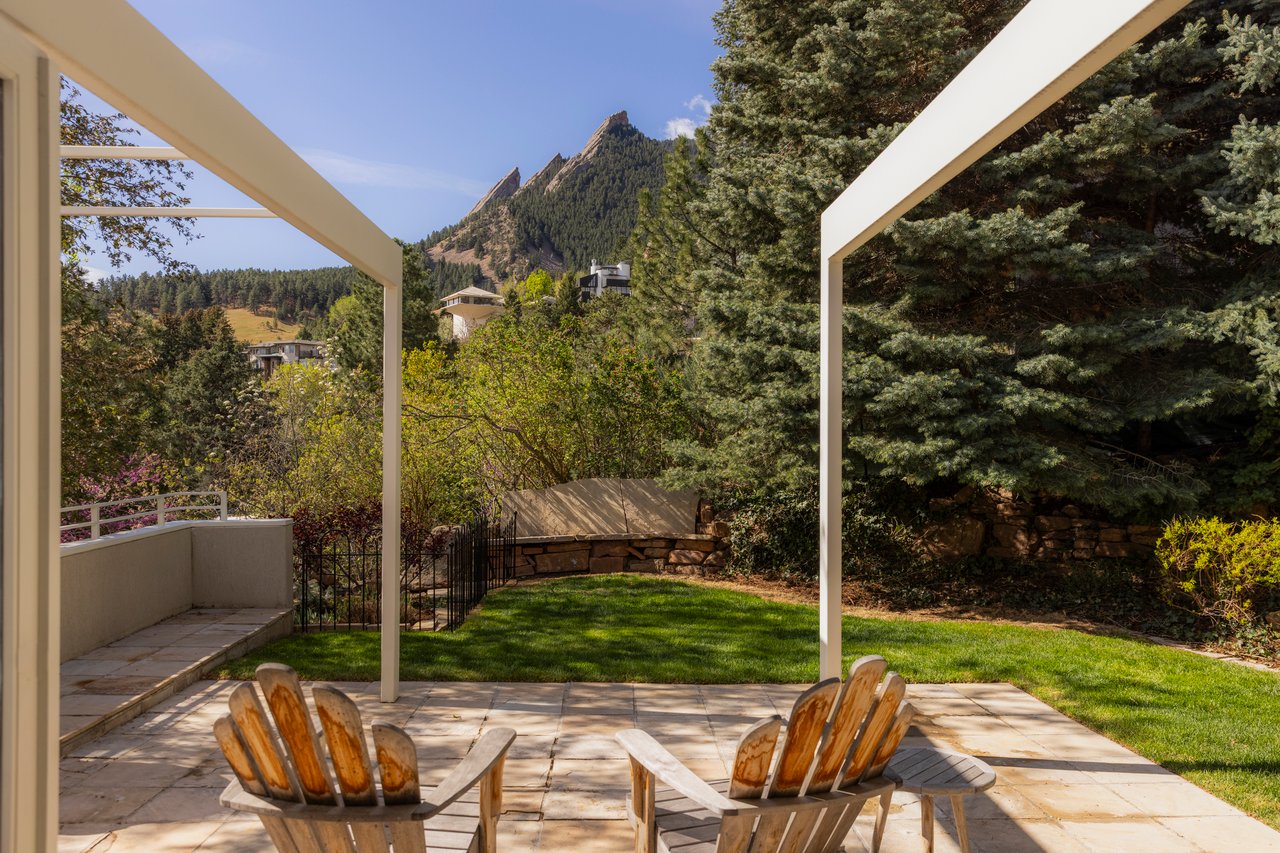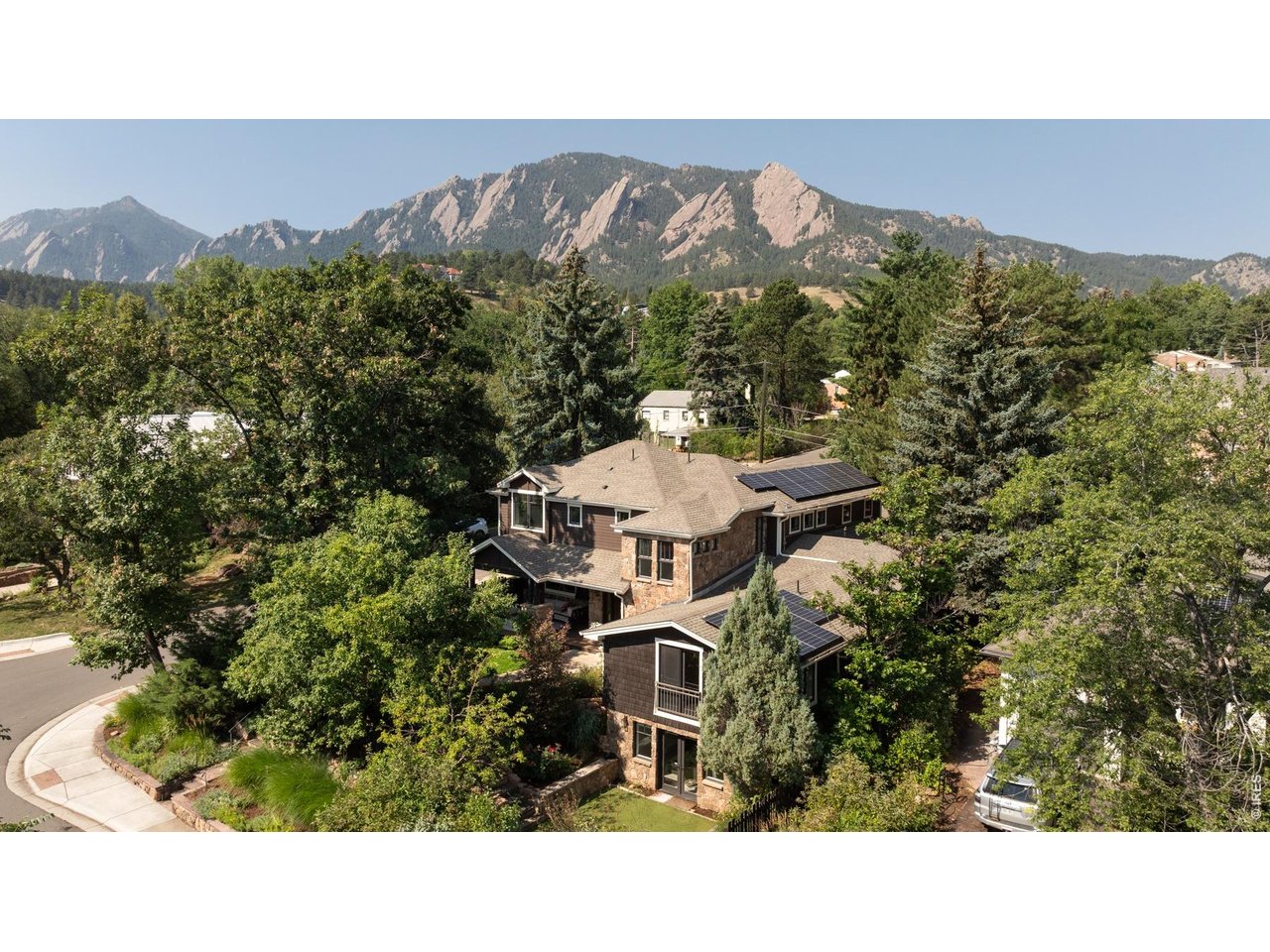
The Chautauqua area encompasses one of the most sought-after pockets of south Boulder, anchored by the Colorado Chautauqua National Historic Landmark and bordered directly by Chautauqua Park and the Flatirons trail system. This guide covers the four sub-neighborhoods that form the broader Chautauqua area: Chautauqua, Lower Chautauqua, Interurban Park, and Flagstaff. Together they offer a range of residential options, from ranch and mid-century homes in Lower Chautauqua and Interurban Park to significant historic and custom homes in the Chautauqua core, where the streets closest to the park command some of Boulder's highest prices per square foot. What unites the area is immediate access to Boulder's most iconic outdoor landscape, with trailheads to the Royal Arch, the First and Second Flatirons, and the broader Chautauqua trail network all within walking distance.
The Chautauqua area is part of Boulder Valley School District RE-2. Homes here are typically assigned to Flatirons Elementary School, Manhattan Middle School of the Arts and Academics, and Boulder High School. Ratings and reviews for each school are available on GreatSchools. School assignments vary by address, so confirm the assigned schools for a specific home with Boulder Valley School District before making an offer.
The Chautauqua Trailhead is the gateway to Boulder's Open Space and Mountain Parks trail network. From the meadow at the base of the Flatirons, residents can reach the Royal Arch, the First and Second Flatiron routes, the Enchanted Mesa loop, and the Mesa Trail, which runs north to south along the foothills. Flagstaff Road extends the network further, with Realization Point, Panorama Point, and the Sunrise Amphitheater a short drive or an ambitious climb away.
The Colorado Chautauqua itself is a year-round community amenity. The historic Chautauqua Auditorium, a wooden, barn-like hall built in 1898 with exceptional acoustics, hosts well-known singer-songwriters and the Colorado Music Festival each summer. Annual events, including the free Flatiron Sounds Music Festival in June, Festival Del Sol in September, and WinterFest in December, bring the neighborhood together around music, food, and local vendors. For residents, these aren't special-occasion outings that require planning and travel; they happen at the end of the street.
Lower Chautauqua has a Walk Score of 68, a Bike Score of 84, and a Transit Score of 59, with University Hill, the 9th Street corridor, and Broadway close by and Pearl Street about two miles away by car or bike. Scores provided by Walk Score.
The Chautauqua Dining Hall is the neighborhood's anchor restaurant, serving farm-to-table Colorado cuisine on a wraparound porch with direct Flatirons views since 1898. It handles everything from a casual post-hike breakfast to a summer dinner reservation, and for residents it is the de facto neighborhood gathering spot. The Chautauqua General Store, steps from the trailhead, covers post-hike coffee, ice cream, and light bites.
Broadway and the 9th Street corridor provide easy access to a broader range of dining and everyday services. University Hill, just to the north, adds the energy of a walkable college neighborhood with restaurants, coffee shops, and retail.
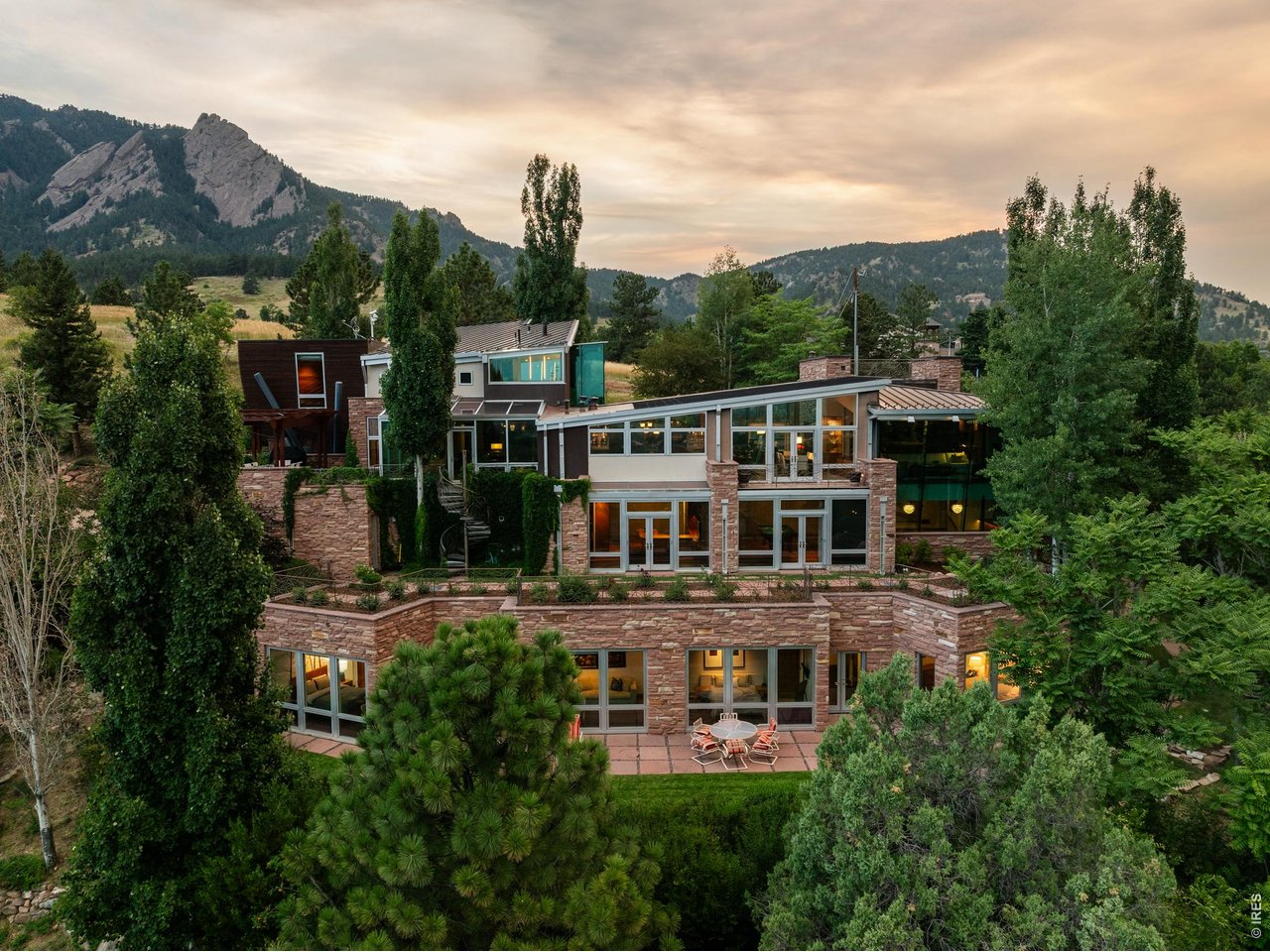
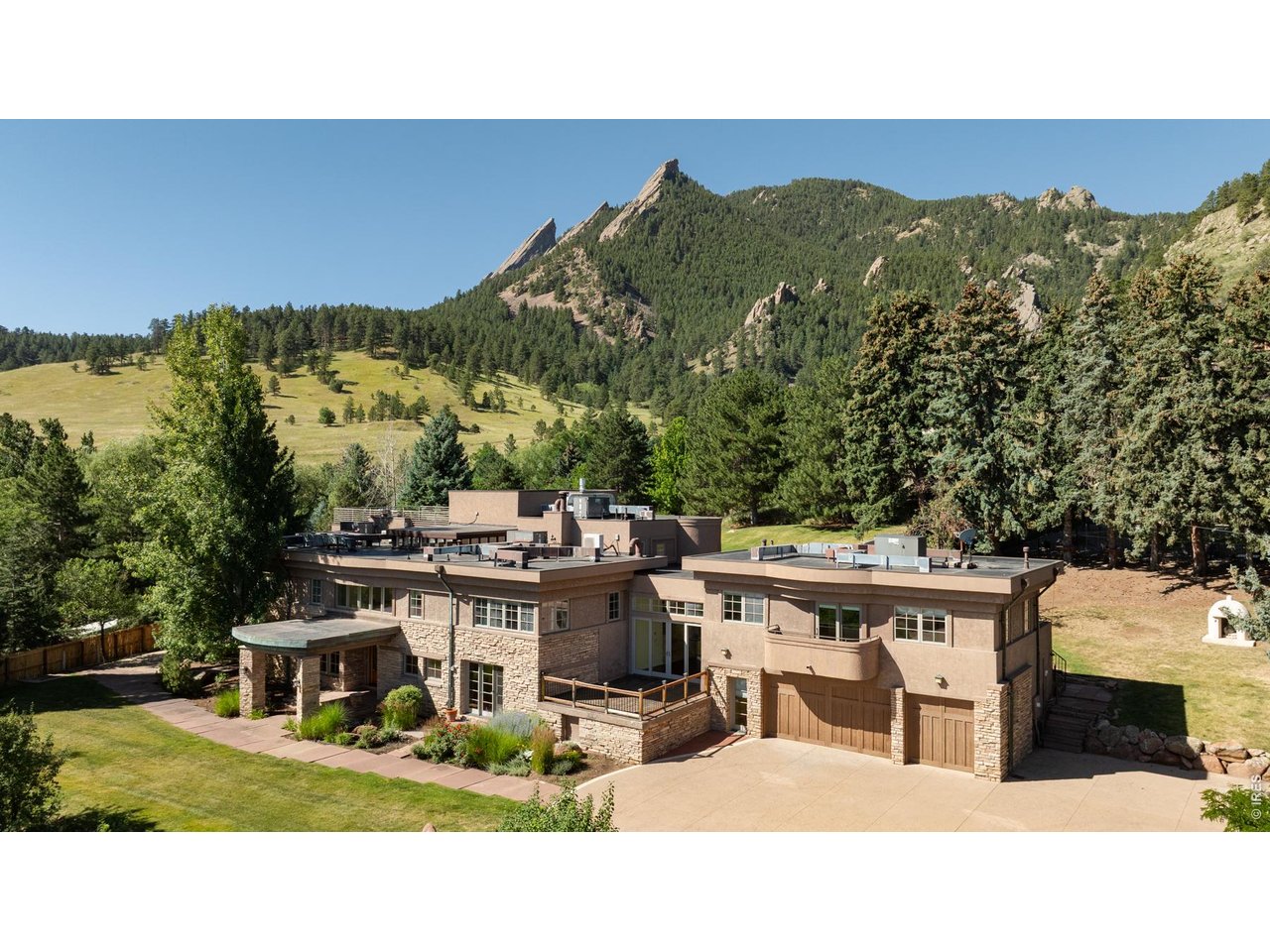
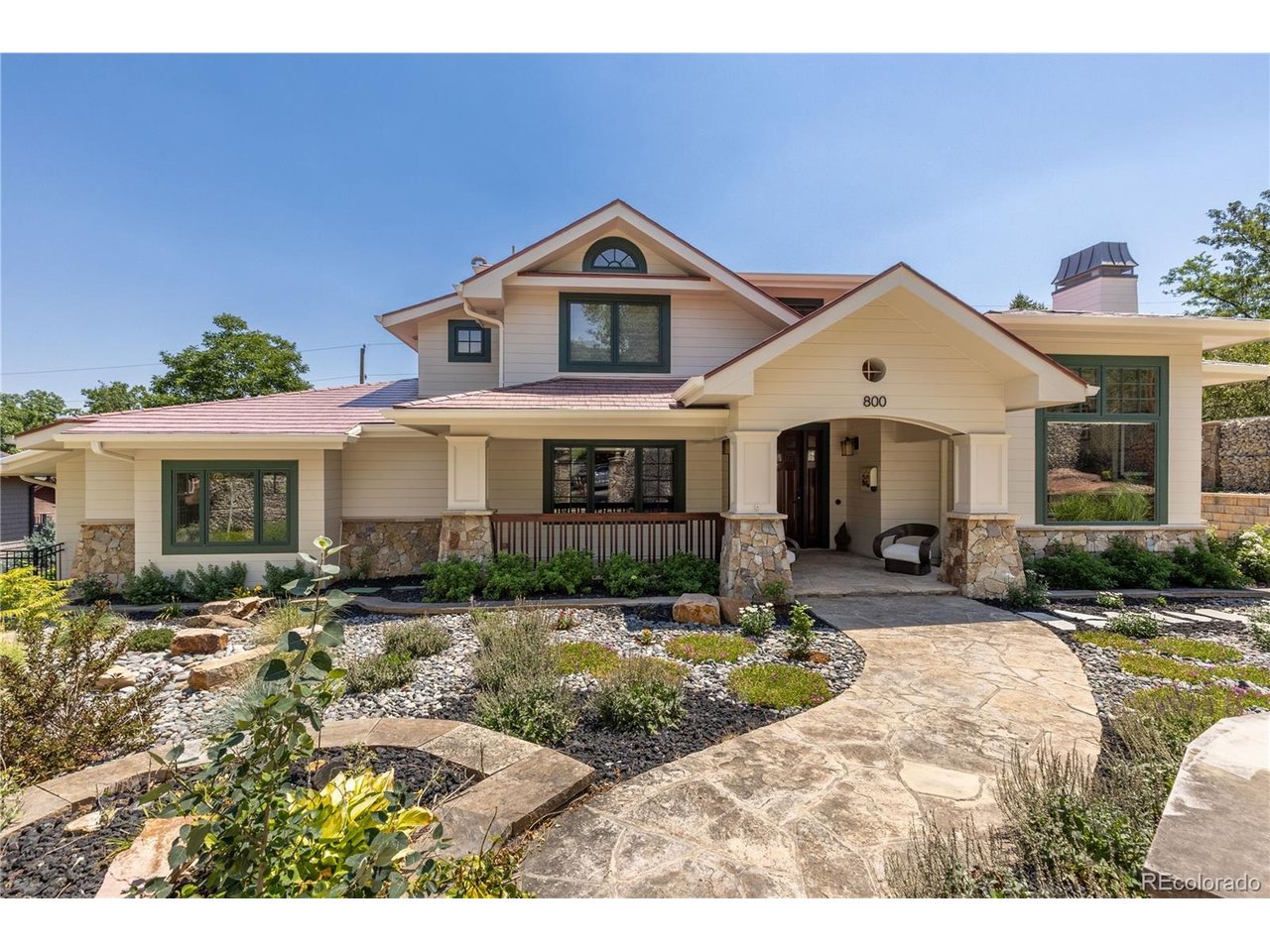
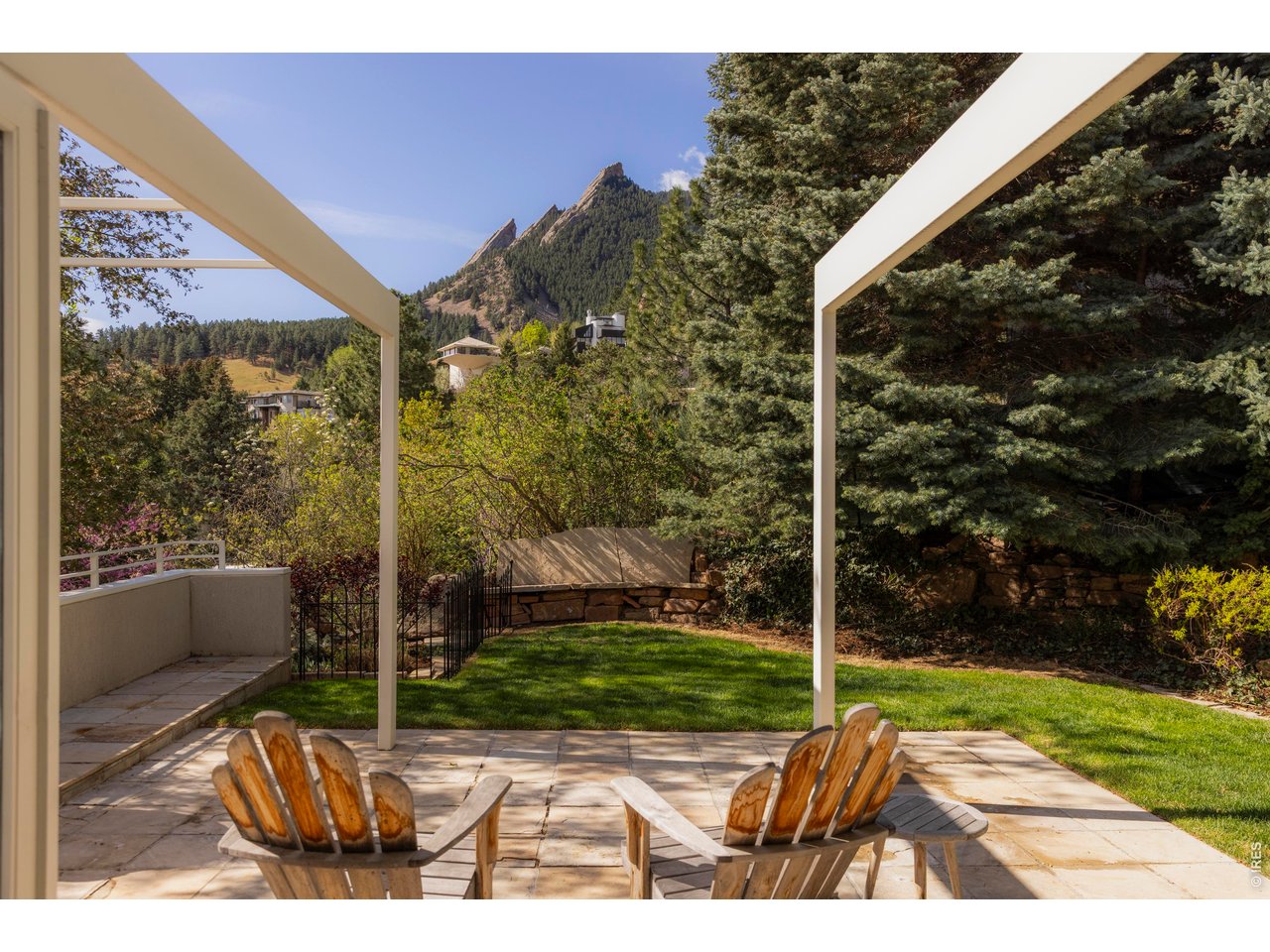
The Chautauqua area showcases Boulder's full architectural history in a remarkably concentrated area. Victorian and Tudor homes from the 1890s through the 1920s sit alongside Craftsman bungalows with stone foundations and generous porches, mid-century modern homes, and contemporary custom homes designed to complement the historic context. Many feature original hardwood floors, built-in cabinetry, wood-burning fireplaces, and the craftsmanship that defines Boulder's older residential stock. A significant number of homes in the Chautauqua core offer direct Flatirons views, and for many properties those views are central to the home's character and value.
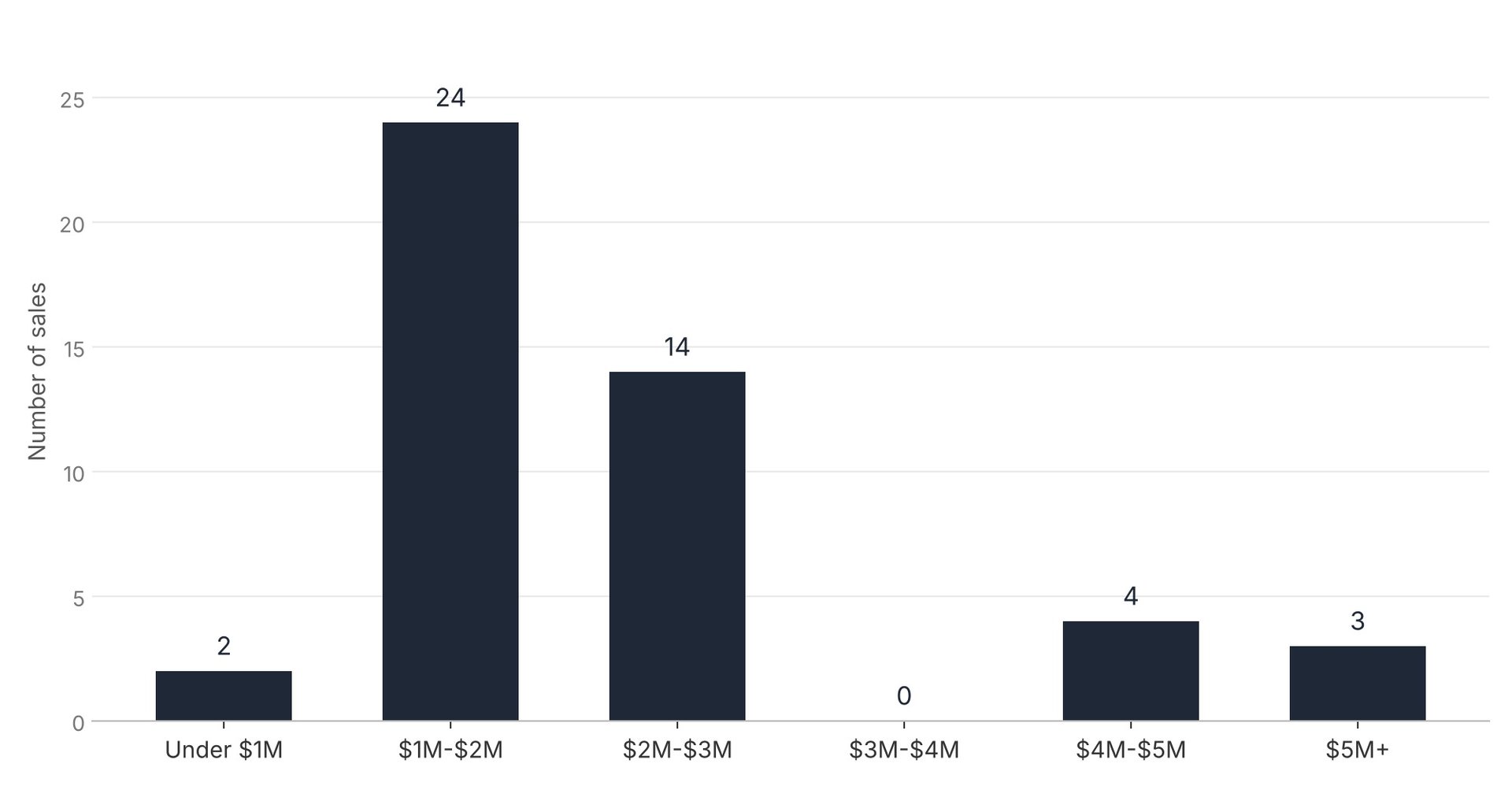
The market varies meaningfully by sub-area. Lower Chautauqua and Interurban Park often offer more accessible entry points, with ranch and two-story homes on quarter-acre lots, many built between 1940 and 1970. The Chautauqua core commands a higher premium, with homes ranging from carefully preserved cottages to architecturally significant estates. At the top of the market, properties closest to the park and trailheads have sold above $5,000,000.
Total Sales | Median Price | Lowest Sale | Highest Sale | Median Price per Sq Ft |
|---|---|---|---|---|
47 | $1,810,000 | $850,000 | $7,000,000 | $695 |
Sub-Area | Sales | Median Price | Price Range |
|---|---|---|---|
Chautauqua | 12 | $2,445,850 | $1,190,000 - $7,000,000 |
Flagstaff | 11 | $2,150,000 | $1,160,000 - $5,900,000 |
Lower Chautauqua | 10 | $1,625,000 | $1,010,000 - $2,377,750 |
Interurban Park | 14 | $1,178,500 | $850,000 - $5,650,000 |
Source: IRES MLS, 2025, single-family homes. Information deemed reliable but not guaranteed.
What is the median home price in the Chautauqua area?
The median single-family sale price in the Chautauqua area was $1,810,000 in 2025, across 47 sales. Medians ranged from $1,178,500 in Interurban Park to $2,445,850 in the Chautauqua core.
What neighborhoods are in the Chautauqua area?
The Chautauqua area includes four sub-neighborhoods: Chautauqua, Lower Chautauqua, Interurban Park, and Flagstaff.
What schools serve Chautauqua?
The Chautauqua area is part of Boulder Valley School District. Homes are typically assigned to Flatirons Elementary, Manhattan Middle School, and Boulder High School, depending on the address.
What events happen at Chautauqua?
The Chautauqua Auditorium hosts the Colorado Music Festival and a summer concert series, and annual community events include Flatiron Sounds in June, Festival Del Sol in September, and WinterFest in December.
Whether you're looking to buy in the Chautauqua area or thinking about what your home here might be worth today, The Zach Zeldner Team is ready to help. Browse current homes below or reach out directly to connect with our team.