Historic Homes in Boulder: Inside The Moorhead House at 745 Highland Avenue
Boulder’s historic homes are part of what gives the city its depth. In neighborhoods like Mapleton Hill, architecture is not just a backdrop. It tells the story of the people, materials, craftsmanship, and sense of place that shaped Boulder’s early residential character.
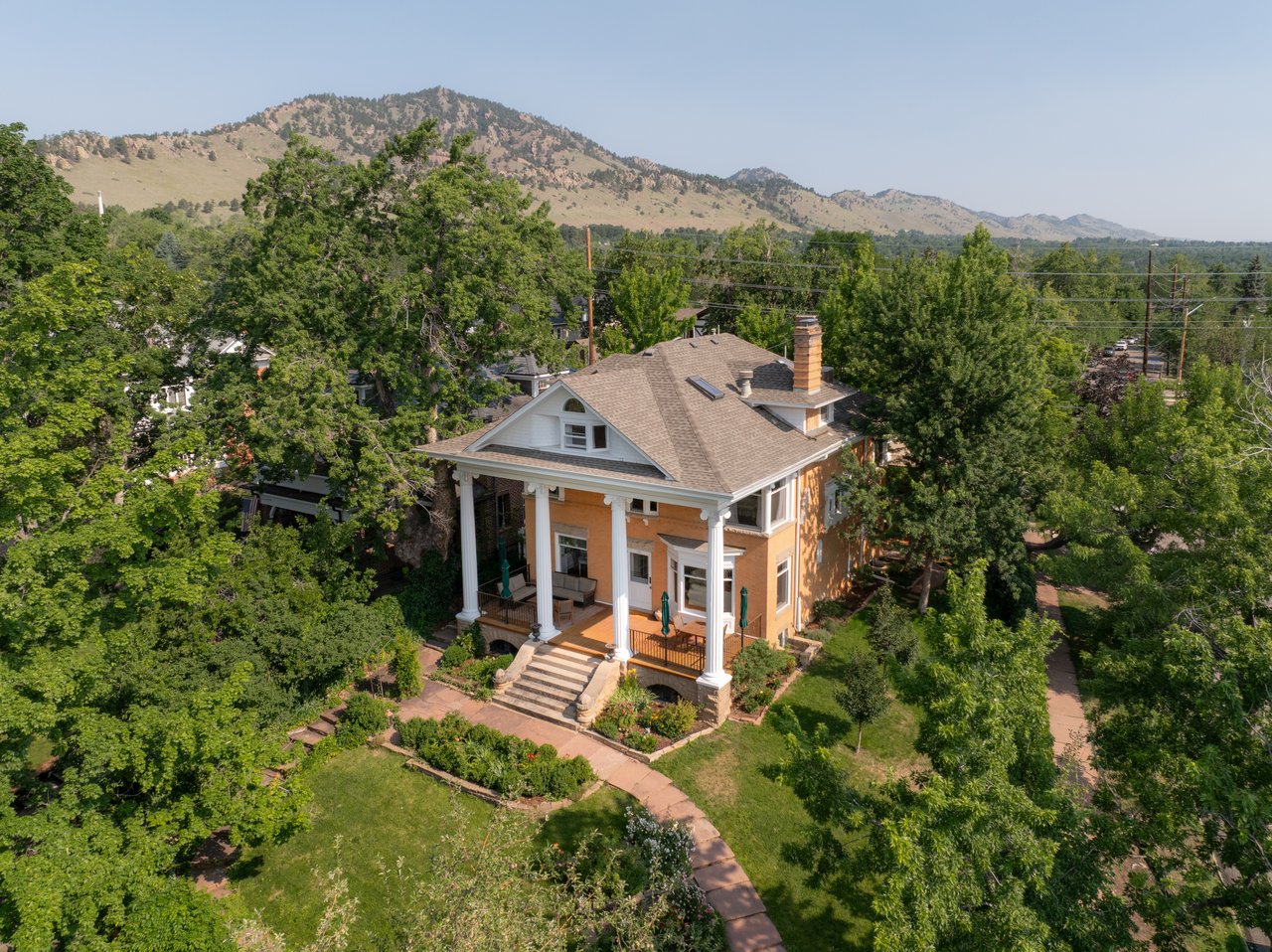
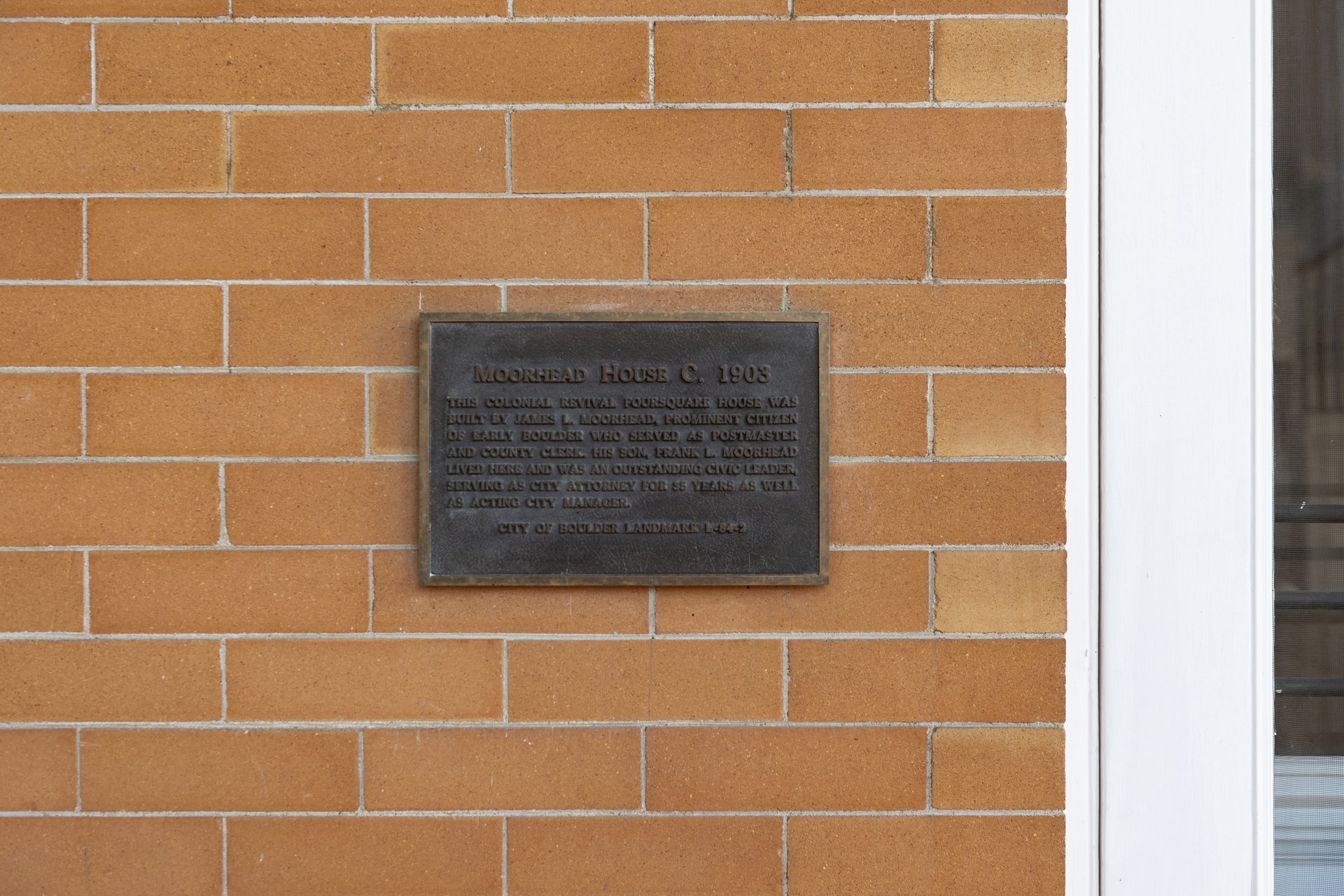
At 745 Highland Avenue, that history is especially tangible. Known as The Moorhead House, this landmark residence was built in 1903, designed by Boulder architect Watson Vernon, and remains one of the city’s notable examples of Colonial Revival architecture. Today, following an extensive 2023 renovation, the home offers something rare: the character and presence of a historic Boulder landmark, thoughtfully updated for modern living.
What Makes a Home Historic in Boulder?
In Boulder, historic significance is about more than age. A property may be considered historically important because of its architecture, its connection to people or events, its role in the development of a neighborhood, or the way it contributes to the city’s visual and cultural identity.
According to the City of Boulder Historic Preservation program, Boulder has more than 1,300 designated historic properties, including more than 200 individual landmarks and 10 historic districts. These landmarks include a range of property types, from private residences to civic buildings, schools, churches, and commercial structures. Together, they help preserve the architectural fabric and neighborhood character that make Boulder distinct.
For residential properties, historic value is often found in the details: original windows, woodwork, masonry, rooflines, porches, proportions, and the relationship between the home and its site. These elements give older homes their sense of permanence. They are also the features that thoughtful preservation seeks to protect.
What Does It Mean to Become a City of Boulder Landmark?
A City of Boulder landmark designation is a formal recognition that a property has historic, architectural, or environmental significance. The City of Boulder’s Individual Landmark Designation Review process includes historic preservation review when an application is submitted to designate or amend an individual landmark.
Once a property is designated, exterior changes generally require additional review through a Landmark Alteration Certificate. This does not mean a home cannot change. In fact, the City of Boulder notes that historic places change over time, and the Landmark Alteration Certificate review process is intended to ensure that landmarks and historic districts change in ways that maintain their historic character.
For homeowners, that balance matters. A historic home must continue to function for contemporary life, but the best renovations are guided by restraint. They improve comfort, systems, livability, and flow without erasing the architectural character that made the home worth preserving in the first place.
The Moorhead House at 745 Highland Avenue
The Moorhead House is a compelling example of that balance.
Located at the end of Highland Avenue, one of Mapleton Hill’s most coveted streets, the home occupies an elevated lot with mature trees, gardens, privacy plantings, and a rare sense of separation in the heart of central Boulder. The setting feels deeply connected to the neighborhood, yet tucked away from the movement of the city around it.
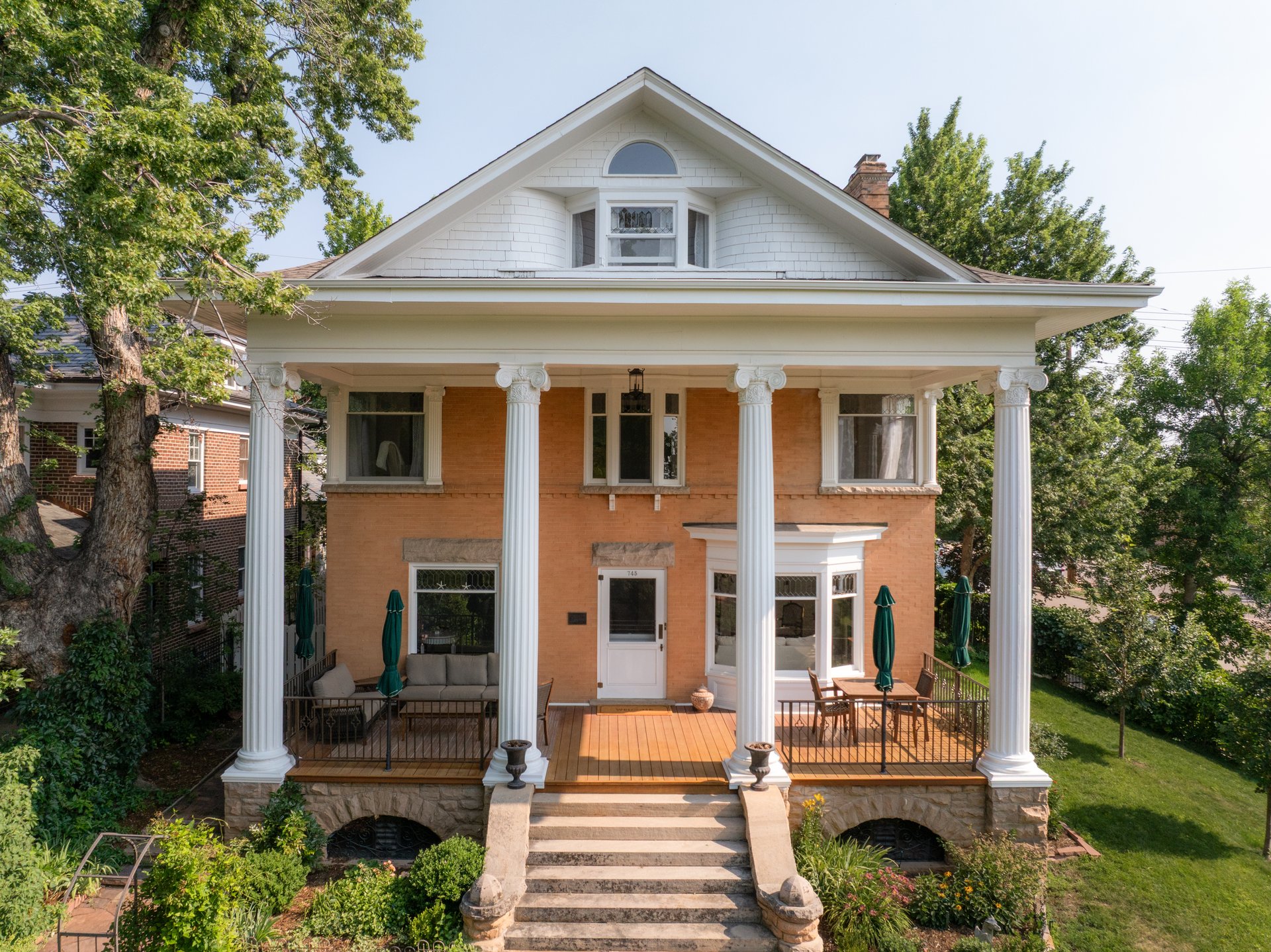
Architecturally, the home is significant for its Colonial Revival design. The Carnegie Library for Local History’s historic building inventory identifies The Moorhead House as a significant example of Colonial Revival architecture, designed by Boulder architect Watson Vernon. The home’s brick exterior, hipped roof, shingled pediment, recessed bay window, and four two-story fluted Ionic columns create a striking presence from the street. Its rare three-story scale gives it a sense of stature that is unusual among Boulder residences of its era.
The same Carnegie Library record notes that James L. Moorhead built the house in 1902–1903. Moorhead served as Boulder Postmaster beginning in 1900 and was instrumental in securing Boulder’s post office building. His son, Frank L. Moorhead, continued living in the home after the deaths of his parents and remained there until his own death in 1951. That continuity adds another layer to the home’s story, connecting the property not only to Boulder’s architecture, but also to the people who helped shape the city’s early civic life.
The City of Boulder’s Historic Property/Landmark Search also lists 745 Highland Avenue as the Moorhead House, a local landmark approved on June 5, 1984.
A Renovation Rooted in Preservation
What makes 745 Highland Avenue especially relevant today is the way it has been renovated.
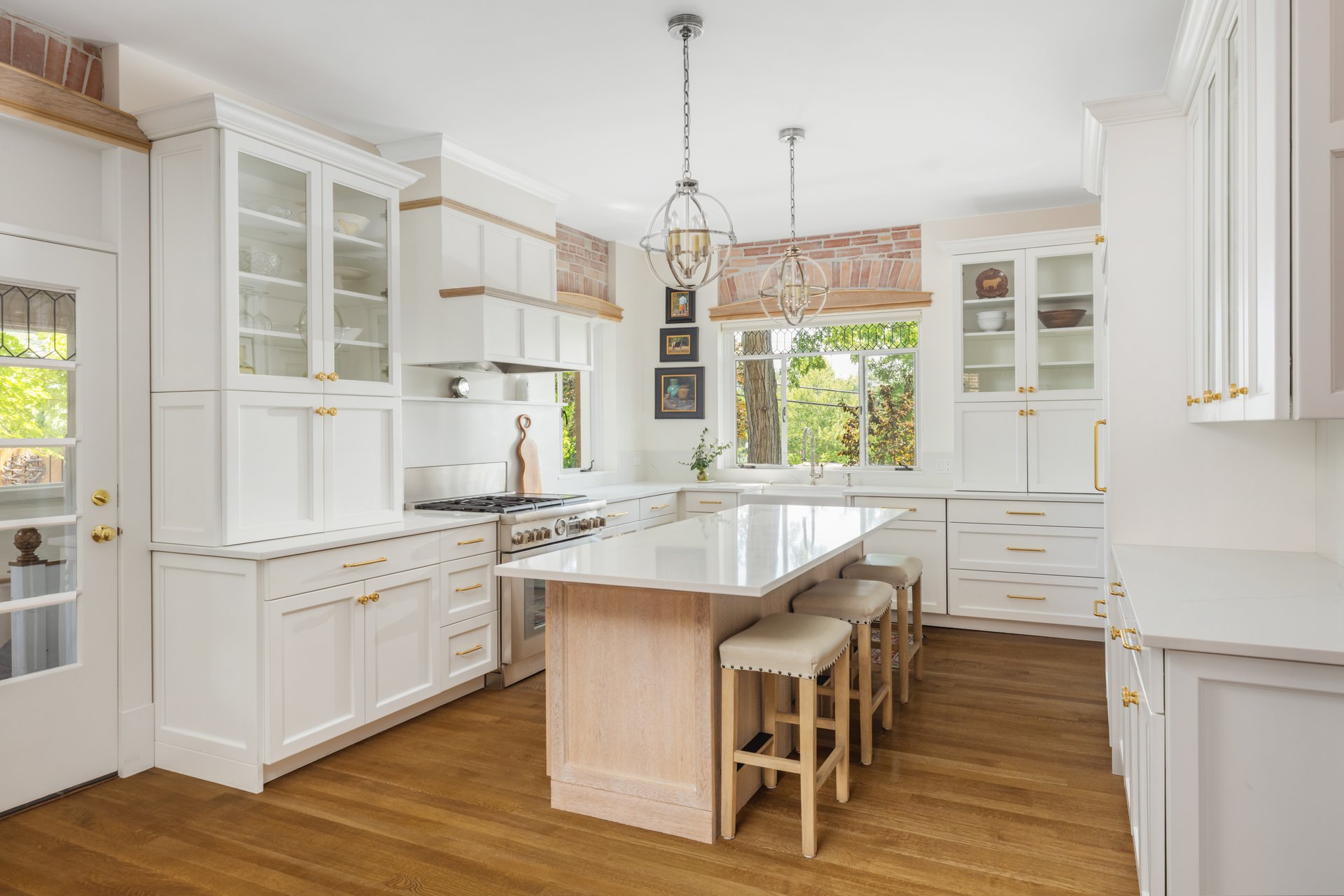
The current owners completed an extensive renovation in 2023, but the work was approached with respect for the home’s original architecture and historic character. Rather than stripping the house of its identity, the renovation preserved many of the elements that make it special, including original woodwork, original moldings, restored sash-and-cord windows, leaded glass details, and restored hardwood floors.
At the same time, the home has been meaningfully updated for modern living. The kitchen was fully remodeled with custom cabinetry, quartz countertops, a large island, premium appliances, and a direct connection to the adjacent living and dining areas. Bathrooms were updated with refined finishes and radiant heat flooring in select spaces. HVAC, electrical, plumbing, lighting, and other systems were substantially improved, bringing a new level of comfort and performance to a historic structure.
This is the art of renovating a historic home: knowing what to change, what to protect, and where modern function can be introduced without compromising the home’s soul.
Historic Character, Modern Livability
Inside, the home offers nearly 5,000 square feet with five bedrooms, five bathrooms, multiple gathering spaces, a main-level office, a finished lower level, and a private top-level suite. The layout supports the way people live today, while the experience of the home remains grounded in its original craftsmanship.
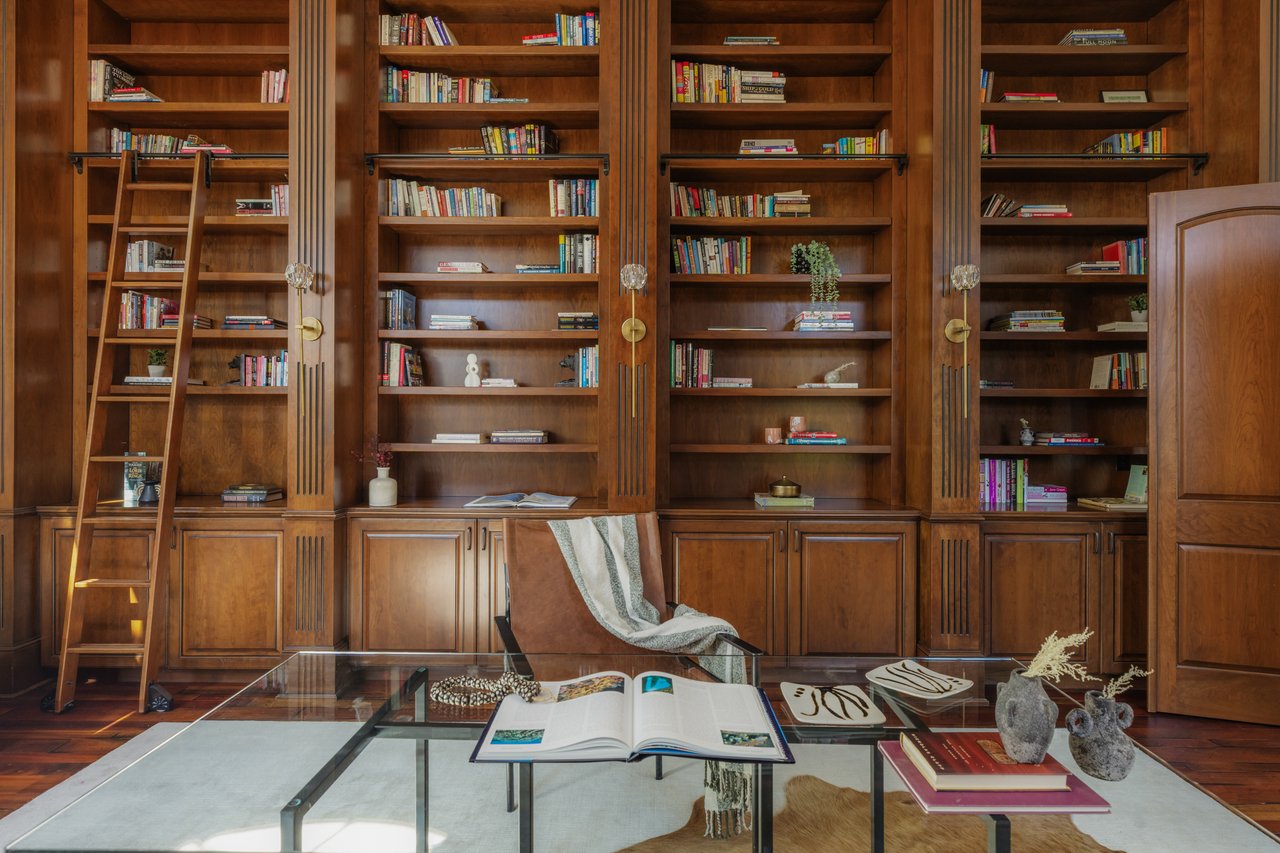
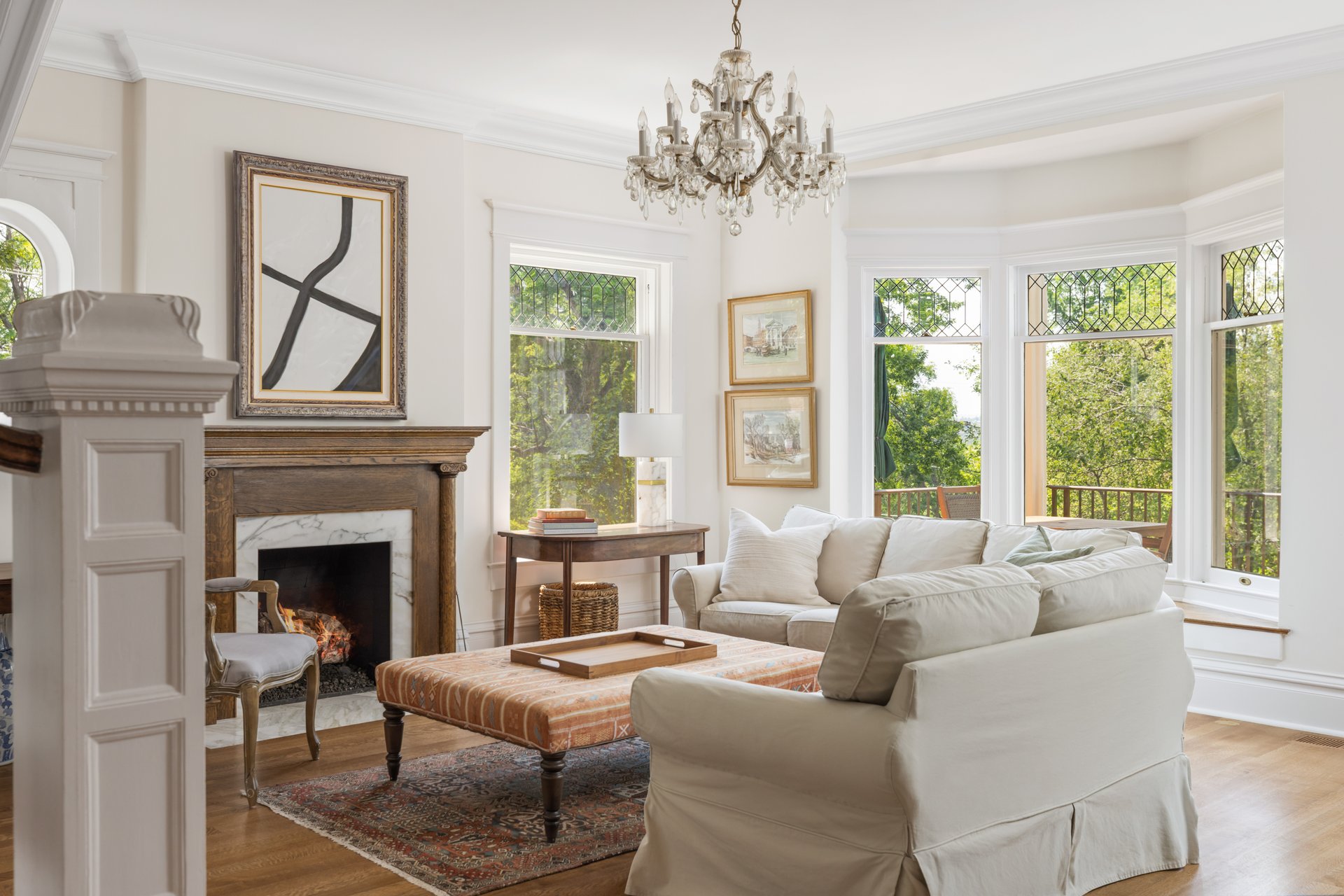
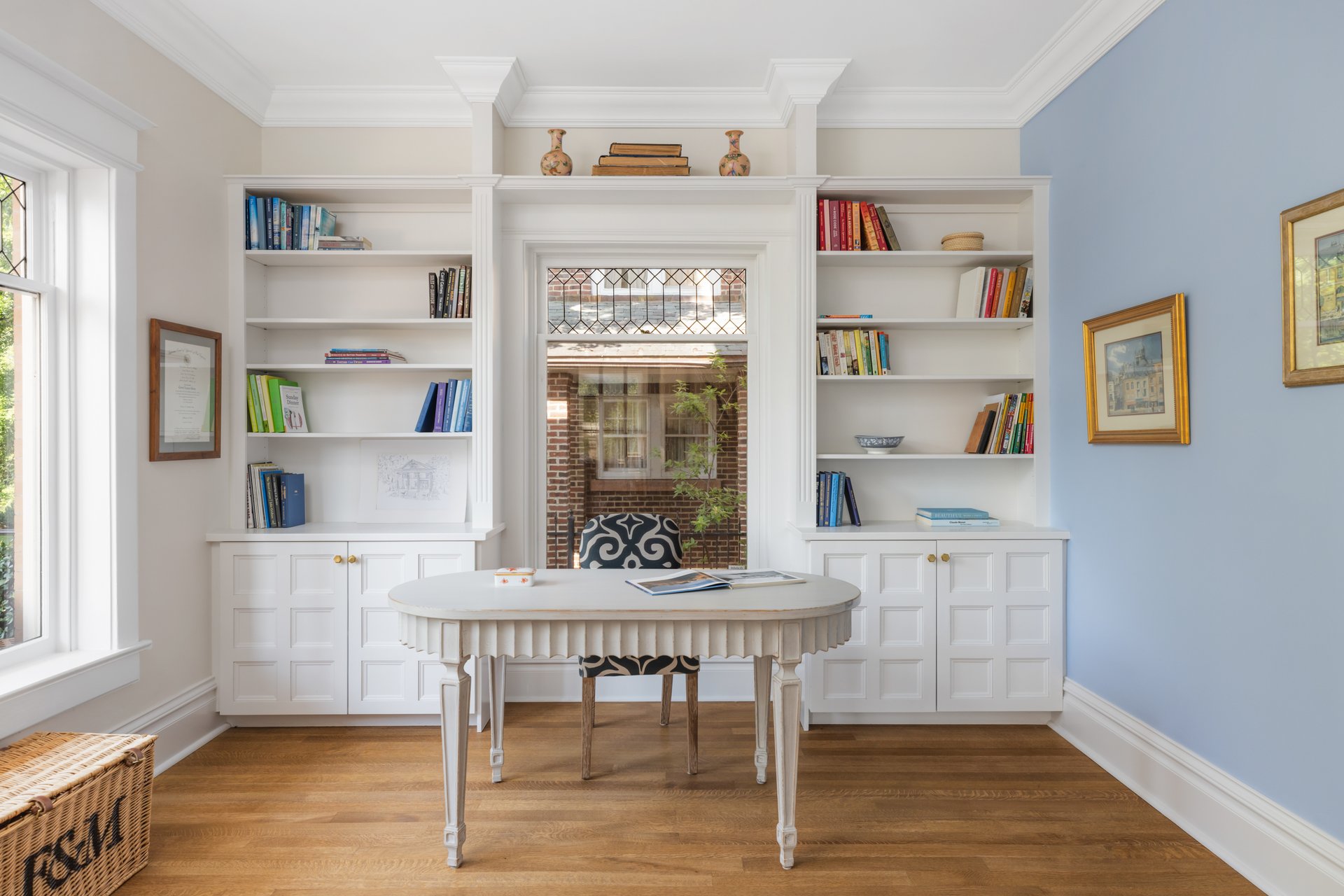
The main level includes formal and informal spaces that feel connected without losing their individual character. A front office with glass French doors, built-in shelving, and original woodwork creates a quiet space for work, reading, or music. The living room preserves historic millwork, molding, leaded glass windows, and a fireplace with a historic mantel. The kitchen, dining, and family room areas bring the home into the present, offering openness, utility, and flexibility without feeling disconnected from the architecture.
Upstairs, the primary suite and guest rooms retain the scale, light, and detailing of the original home. The top-level suite adds a retreat-like atmosphere, with skylights, treetop outlooks, seasonal mountain views, a fireplace, built-in storage, and a full bathroom. The finished lower level adds recreation space, a bedroom, exercise or flex room, laundry, storage, and additional functionality rarely found in historic homes of this era.
Outdoor Living in Mapleton Hill
The exterior experience is just as important. A south-facing covered front porch, framed by the home’s two-story columns, creates one of the property’s most memorable architectural moments. Ipe Brazilian hardwood porch decking, mature landscaping, a gated front yard, shaded brick patio, and fully fenced grounds extend the home’s livability outdoors.
The setting captures what makes Mapleton Hill so enduringly desirable: leafy streets, historic architecture, proximity to Downtown Boulder and Pearl Street, and quick access to Mount Sanitas, trails, local shops, restaurants, cafés, and everyday amenities. It is a neighborhood where Boulder’s past and present still meet in a meaningful way.
A Rare Piece of Boulder’s Residential History
Historic homes in Boulder are not simply older homes. At their best, they are places of continuity. They hold the details of another era while continuing to support the life of the present.
The Moorhead House at 745 Highland Avenue is a rare example of that continuity. As a City of Boulder landmark in the heart of Mapleton Hill, it offers architectural significance, a deep local history, and a thoughtful renovation that preserves the character of the past while making the home exceptionally livable today.
For those drawn to historic homes in Boulder, 745 Highland Avenue is more than a residence. It is a chance to become part of the stewardship of one of the city’s meaningful architectural landmarks.
------
745 Highland Avenue is listed by The Zach Zeldner Team. Contact us to schedule a showing.